Winter Plumbing Preparedness: Essential Maintenance for Irish Homes May 19, 2026
As temperatures drop, the risk of frozen pipes increases. Frozen pipes are not just an inconvenience; they can burst and cause significant water damage. To prevent this, ensure that any exposed pipes are fully insulated. Pipe sleeves or foam insulation are easy to install and can be found at most hardware stores. Pay special attention to pipes in unheated areas like basements, attics, and garages.
Another critical task is to disconnect outdoor hoses and shut off water supply to exterior faucets. This simple step prevents water from freezing in hoses and pipes, which can cause them to crack. After disconnecting hoses, be sure to drain any water left in those lines. This reduces the potential for freezing and keeps your plumbing in good working order.
Inside your home, consider the state of your water heater. The winter months demand more from your water heater, as hot water use typically increases. Flushing your water heater annually is a best practice; this removes sediment build-up and improves efficiency. If your water heater is more than 10 years old, it might be time to consult a professional about whether it's operating optimally.
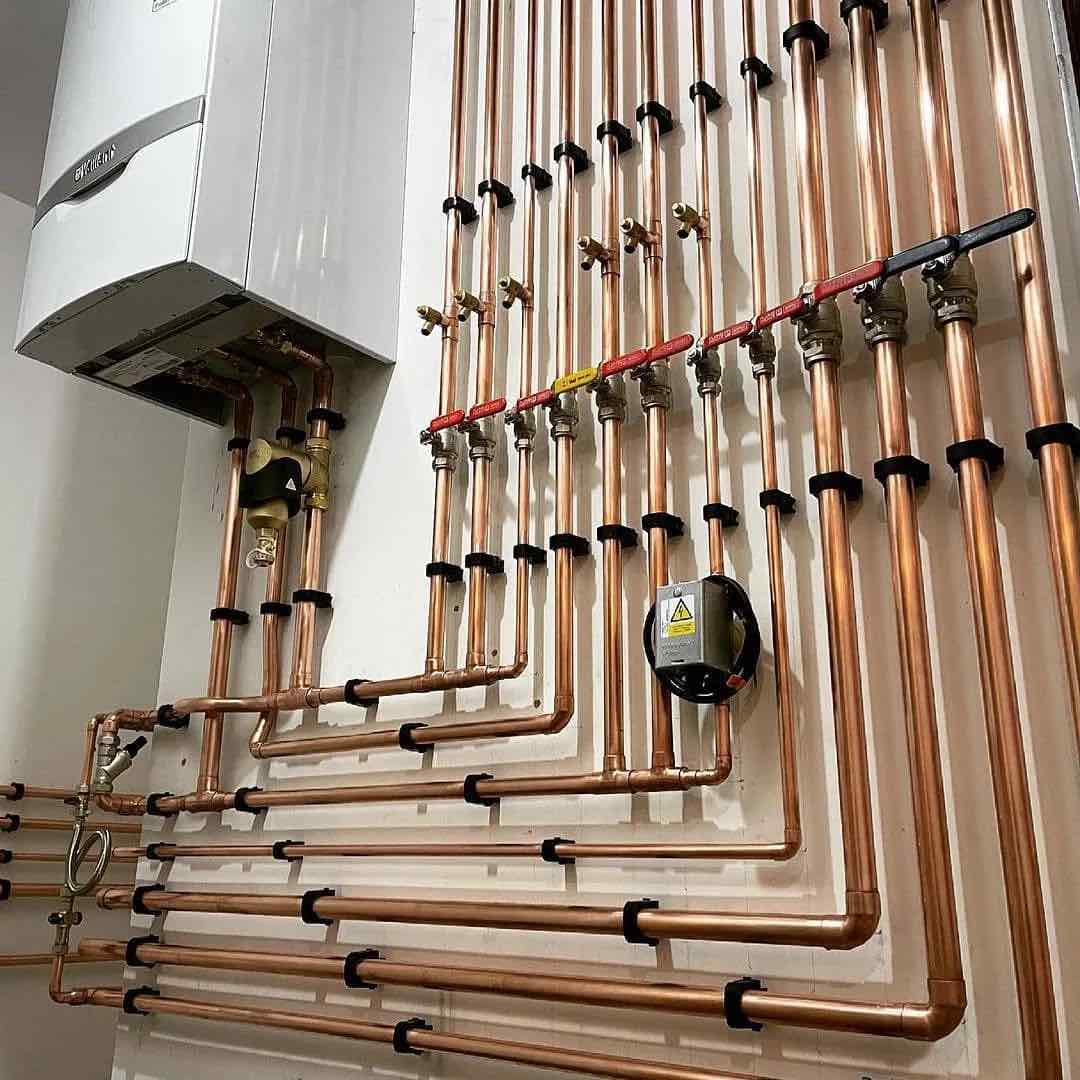
Your heating system is crucial during the cold season, so now is the time to check it thoroughly. Bleed your radiators to remove any trapped air, which ensures they're working at full capacity. For homes using boiler systems, schedule a professional to perform an inspection and maintenance to prevent breakdowns in the middle of a cold snap.
A comprehensive plumbing check should also include identifying and repairing leaks. Even the smallest leak can cause big problems when the temperature plummets. Regularly check under sinks and close to appliances for any signs of moisture. Ireland Plumbing offers a full inspection service that can catch leaks early, effectively preventing more serious issues later.
In addition to preventing water damage, maintaining good indoor air quality is key during winter. Ensure that all ventilation needs, such as kitchen and bathroom fan vents, are clear of blockages and functioning efficiently. Good airflow reduces excess moisture, which can lead to mold and mildew, both detrimental to your plumbing and health.
Moreover, investing in a smart thermostat can help manage heat more efficiently and save on energy bills. Ensure that your home's temperature stays above freezing, even when you're away, to keep water flowing and prevent freezing.
The final task on your winter prep list should be a thorough review of your home insurance policy. Ensure that it covers burst pipes and water damage, providing an added layer of security for worst-case scenarios.
Preparing your plumbing for the winter months is crucial for all Irish homes. By following these steps, you are not only securing your property but also ensuring peace of mind. Ireland Plumbing is here to help with any advice or actions you need to take, offering professional services to tackle the winter preparedness challenges head-on. Contact us today to schedule your winter plumbing check and stay one step ahead of the cold.
/filters:no_upscale()/filters:format(webp)/media/4fbf04c9-06bc-462a-9105-5cdfbf8c874f.jpeg)